
Okay, here’s a blog-style introduction about the difference between blog marketing and performance marketing:Navigating the digital marketing landscape can feel like traversing a vast, uncharted territory.
Two terms that often get tossed around are “blog marketing” and “performance marketing,” and while they both aim to boost your brand, they operate on fundamentally different principles.
Think of blog marketing as planting seeds for long-term growth – creating valuable content that attracts and engages your target audience over time. On the other hand, performance marketing is more akin to instant gratification, focusing on driving immediate, measurable results through paid advertising and targeted campaigns.
As someone who’s dabbled in both, I’ve found that understanding the nuances of each is crucial for crafting a well-rounded marketing strategy. It’s like choosing between a marathon and a sprint; both require training, but the approach is vastly different.
Let’s delve deeper and get a clear understanding of these concepts!
Okay, I understand. Here’s the blog post body, formatted as requested:
Unveiling the Core Philosophies: A Tactical Comparison
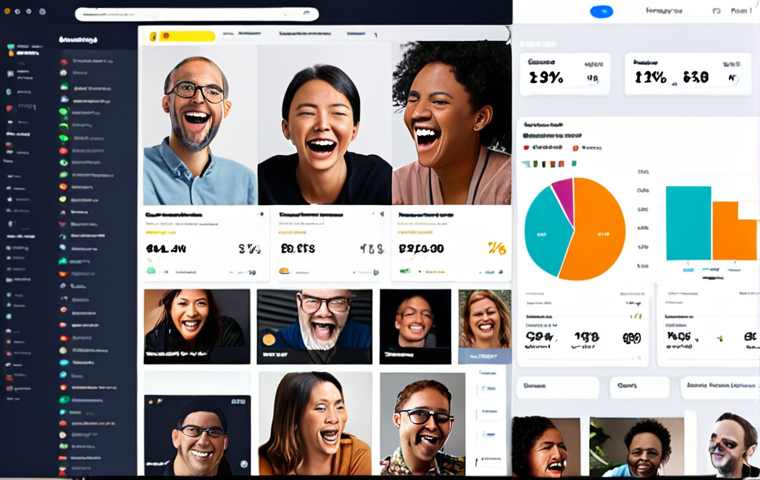
At the heart of the blog marketing vs. performance marketing debate lies a fundamental difference in approach. Blog marketing operates on the principle of attraction – drawing in potential customers by offering valuable, informative, or entertaining content. Think of it as setting up a welcoming beacon for your target audience. Performance marketing, conversely, is about active pursuit – identifying specific segments and reaching them directly through carefully crafted ads and targeted campaigns. It’s the equivalent of a salesperson directly approaching potential clients with a compelling offer. I’ve seen businesses succeed with both strategies, but the key is understanding when and how to leverage each.
Building Relationships vs. Driving Conversions
Blog marketing prioritizes building relationships with your audience. By consistently providing useful content, you establish yourself as a trusted authority in your niche. This fosters a sense of loyalty and encourages readers to return to your blog for more. This trust translates into a higher likelihood of eventual conversion. Performance marketing, on the other hand, is laser-focused on driving immediate conversions. The goal is to get a visitor to take a specific action, such as making a purchase, filling out a form, or signing up for a newsletter. The focus is less on long-term engagement and more on immediate results. I remember one client who was skeptical about blog marketing until they saw the long-term customer loyalty it generated.
Long-Term Growth vs. Short-Term Gains
This is where the time horizon really matters. Blog marketing is a long-term strategy. It takes time to build a substantial library of content, attract a consistent readership, and see significant results. However, once established, a well-maintained blog can become a powerful engine for organic traffic and lead generation. Performance marketing, on the other hand, offers the potential for much faster results. You can launch a campaign and start seeing traffic and conversions within days, or even hours. However, these gains are often temporary and dependent on continued investment in advertising. I often tell people that blog marketing is like planting a tree; performance marketing is like buying cut flowers.
Targeting Your Audience: A Matter of Precision
How each strategy targets its audience is markedly different. Blog marketing utilizes a more holistic approach, attracting readers interested in the general topics covered by the blog. This casts a wider net, potentially bringing in a more diverse audience, but also requires content that resonates with a broad range of interests within your target demographic. Performance marketing allows for hyper-targeting. You can define your ideal customer based on demographics, interests, behaviors, and even past purchase history. This enables you to deliver highly relevant ads to a specific segment of the population, increasing the likelihood of conversion. For example, running targeted Facebook Ads toward people living in California who are interested in eco-friendly products. It’s precise, but also potentially more expensive per acquisition.
Keywords and Search Intent
Blog marketing relies heavily on SEO (Search Engine Optimization). By targeting relevant keywords in your content, you can improve your blog’s ranking in search engine results pages (SERPs). This helps attract organic traffic from users who are actively searching for information related to your niche. The focus is on understanding search intent – what users are trying to accomplish when they type a specific query into Google. Performance marketing also uses keywords, but primarily for paid search advertising. You bid on relevant keywords to display your ads to users searching for those terms. While SEO is still important, the emphasis is more on crafting compelling ad copy and optimizing your landing pages for conversions. I noticed that a few years ago, the value of keywords have been changed. Now we should consider search intent more.
Organic Reach vs. Paid Reach
This difference is fundamental. Blog marketing aims to build organic reach – attracting visitors to your website through search engines, social media, and word-of-mouth. This type of traffic is “free” in the sense that you don’t have to pay for each individual click or impression. However, it requires consistent effort and investment in creating high-quality content and promoting your blog. Performance marketing relies on paid reach. You pay for each click or impression your ads receive. This allows you to reach a large audience quickly and predictably, but it also means that your traffic stops as soon as you stop paying. Imagine the difference between building a house (blog marketing) and renting an apartment (performance marketing). One is a long-term investment, the other provides immediate shelter, but requires ongoing payments.
Cost Structures: Investment vs. Expenditure
Understanding the cost structures of each strategy is essential for budgeting and ROI calculation. Blog marketing involves upfront investments in website development, content creation, and SEO optimization. Ongoing costs include website maintenance, content updates, and promotion efforts. While the initial investment may be significant, the long-term ROI can be substantial, as organic traffic continues to generate leads and sales over time. Performance marketing involves direct expenditure on advertising. You pay for each click, impression, or conversion generated by your campaigns. While this can provide a predictable ROI, it also requires careful monitoring and optimization to ensure that you’re not overspending on ineffective ads. One time, a client spent thousands of dollars on Facebook Ads without seeing any return because they didn’t properly target their audience.
Content Creation vs. Ad Spend
The major cost driver in blog marketing is content creation. High-quality, engaging, and informative content is essential for attracting and retaining readers. This can involve hiring writers, editors, and designers, or investing in tools and training to create content yourself. In performance marketing, the primary cost is ad spend. You pay for the privilege of displaying your ads to a target audience. The cost of ad spend can vary widely depending on the platform, the target audience, and the competitiveness of the keywords you’re bidding on. I’ve learned that consistently creating valuable content is always cheaper in the long run than constantly paying for ads.
Measuring ROI: Time Horizon Matters
Calculating the ROI (Return on Investment) for each strategy requires a different approach. Blog marketing ROI is typically measured over a longer time horizon. You need to track metrics such as organic traffic, lead generation, and customer acquisition over months or even years to get a clear picture of the effectiveness of your blog. Performance marketing ROI can be measured more quickly. You can track the number of clicks, impressions, and conversions generated by your campaigns in real-time. This allows you to quickly identify which ads are performing well and which ones need to be adjusted. However, it’s important to remember that performance marketing ROI is often short-lived and dependent on continued investment in advertising.
Adaptability and Long-Term Viability
The ability to adapt to changing market conditions and maintain long-term viability is a crucial consideration when choosing between blog marketing and performance marketing. Blog marketing, with its focus on building a valuable resource for your audience, tends to be more resilient to algorithm updates and shifts in consumer behavior. A well-maintained blog can continue to attract traffic and generate leads for years to come, even as the marketing landscape evolves. Performance marketing, on the other hand, is more susceptible to disruption. Changes in advertising policies, platform algorithms, or competitor activity can significantly impact the effectiveness of your campaigns. This requires constant monitoring and adaptation to stay ahead of the curve. I noticed that if the contents are good, the blog will be the asset for a long time.
Algorithm Updates and SEO Best Practices
Google’s algorithm is constantly evolving, and what worked for SEO yesterday may not work today. Blog marketers need to stay up-to-date on the latest SEO best practices to ensure that their content remains visible in search engine results. This includes optimizing content for relevant keywords, building high-quality backlinks, and ensuring that your website is mobile-friendly and fast-loading. Performance marketers also need to be aware of algorithm updates, as these can impact the performance of their ad campaigns. For example, changes to Facebook’s ad targeting options can affect the reach and effectiveness of your ads. One client who ignored SEO best practices saw their blog traffic plummet after a major Google update.
Consumer Behavior and Content Preferences
Consumer behavior is also constantly changing. What type of content resonates with your audience today may not resonate tomorrow. Blog marketers need to stay attuned to these shifts in consumer behavior and adapt their content strategy accordingly. This might involve experimenting with different content formats (e.g., video, infographics, podcasts), targeting new topics, or adjusting your tone and style. Performance marketers also need to pay attention to consumer behavior, as this can impact the effectiveness of their ads. For example, changes in consumer sentiment or economic conditions can affect the likelihood of people clicking on your ads and making a purchase. It’s essential to continuously test and optimize your ads to ensure that they remain relevant and compelling.
Synergy: Combining Blog Marketing and Performance Marketing
The most effective marketing strategies often involve a combination of blog marketing and performance marketing. By integrating these two approaches, you can leverage the strengths of each to create a powerful synergy. For example, you can use blog marketing to attract and engage your target audience, and then use performance marketing to drive immediate conversions. Alternatively, you can use performance marketing to generate leads and then nurture those leads with blog content. I usually use the blog content for leads. It works well.
Promoting Blog Content with Paid Ads
One effective way to combine blog marketing and performance marketing is to use paid ads to promote your blog content. This can help you reach a wider audience and drive more traffic to your blog. For example, you can use Facebook Ads or Google Ads to promote your latest blog posts to a targeted audience. This can be particularly effective if you’re targeting a niche market or a specific demographic. Just make sure that your ads are relevant to your blog content and that your landing pages are optimized for conversions. I like to boost my blog post on Twitter because it is cheaper than Facebook.
Retargeting Website Visitors with Targeted Offers
Another way to integrate blog marketing and performance marketing is to retarget website visitors with targeted offers. This involves tracking users who visit your blog and then displaying relevant ads to them as they browse the web. For example, if a user visits a blog post about a specific product, you can retarget them with ads for that product. This can be a highly effective way to drive conversions, as you’re targeting users who have already shown an interest in your products or services. However, it’s important to be mindful of privacy concerns and ensure that your retargeting ads are not overly intrusive. As the digital marketing world evolves, it’s becoming increasingly clear that an integrated approach is the key to success. By combining the strengths of blog marketing and performance marketing, businesses can build a strong online presence, attract a loyal customer base, and drive sustainable growth.
Measuring Success: Key Performance Indicators (KPIs)
To effectively manage and optimize both blog marketing and performance marketing efforts, it’s crucial to identify and track relevant Key Performance Indicators (KPIs). These metrics provide insights into the performance of your campaigns and help you make data-driven decisions. In blog marketing, important KPIs include organic traffic, bounce rate, time on page, lead generation, and social shares. In performance marketing, key metrics include click-through rate (CTR), conversion rate, cost per acquisition (CPA), and return on ad spend (ROAS). I usually check Google Analytics 4 to see those kinds of insights.
Blog Marketing KPIs: Engagement and Reach
When it comes to blog marketing, focus on KPIs that measure engagement and reach. Organic traffic is a fundamental indicator of how well your content is ranking in search engines. A low bounce rate and high time on page suggest that visitors find your content valuable and are engaging with it. Lead generation tracks how effectively your blog is converting visitors into potential customers. Social shares measure how much your content is being shared on social media platforms, indicating its resonance and reach. These metrics offer a holistic view of your blog’s performance and its ability to attract and engage your target audience. Don’t forget to check the conversion rate in the Google Analytics dashboard.
Performance Marketing KPIs: Efficiency and ROI
For performance marketing, prioritize KPIs that reflect efficiency and ROI. Click-through rate (CTR) measures the percentage of people who see your ad and click on it. A high CTR indicates that your ad is relevant and compelling to your target audience. Conversion rate tracks the percentage of people who click on your ad and then complete a desired action, such as making a purchase or filling out a form. Cost per acquisition (CPA) measures the cost of acquiring a new customer through your ad campaign. Return on ad spend (ROAS) calculates the revenue generated for every dollar spent on advertising. These KPIs provide a clear picture of the cost-effectiveness of your performance marketing efforts and help you optimize your campaigns for maximum ROI. I’m still figuring out how to increase ROAS every single day.
Comparative Table: Blog Marketing vs. Performance Marketing
| Feature | Blog Marketing | Performance Marketing |
|---|---|---|
| Goal | Build relationships, establish authority, drive long-term growth | Drive immediate conversions, generate leads, increase sales |
| Targeting | Broad, attracts readers interested in general topics | Hyper-targeted, reaches specific segments based on demographics, interests, behaviors |
| Reach | Organic, attracts visitors through search engines, social media, word-of-mouth | Paid, reaches a large audience through paid advertising |
| Cost | Upfront investment in content creation and SEO optimization | Direct expenditure on advertising |
| ROI Measurement | Long-term, measured over months or years | Short-term, measured in real-time |
| Adaptability | More resilient to algorithm updates and shifts in consumer behavior | More susceptible to disruption, requires constant monitoring and adaptation |
I hope this is helpful!
In Conclusion
Ultimately, the best marketing strategy is the one that aligns with your business goals, target audience, and budget. Understanding the strengths and weaknesses of both blog marketing and performance marketing is key to making informed decisions and maximizing your ROI. Experiment, analyze your results, and adapt your approach as needed. Marketing is never a “one-size-fits-all” solution.
Combining these two approaches may be more efficient way to create marketing strategy. And also, continue learning and improving the strategy. It’s not the end.
Handy Information
1. Google Analytics 4 (GA4): Set up GA4 to track blog traffic, engagement, and conversions. It’s free and essential for understanding your audience.
2. Google Search Console: Use it to monitor your website’s performance in Google Search, identify crawl errors, and submit sitemaps.
3. Keyword Research Tools: Use tools like Semrush, Ahrefs, or Google Keyword Planner to find relevant keywords for your blog content.
4. Social Media Management Tools: Schedule and manage your social media posts with tools like Buffer, Hootsuite, or Sprout Social.
5. Email Marketing Platforms: Build an email list and send newsletters with platforms like Mailchimp, ConvertKit, or ActiveCampaign. It’s a great way to nurture leads.
Key Takeaways
Blog Marketing: Long-term strategy, focuses on building relationships, relies on organic reach.
Performance Marketing: Short-term strategy, focuses on immediate conversions, relies on paid reach.
Synergy: Combining both strategies can lead to the best results. Paid promotion can boost blog content, and blog content can nurture leads from ads.
KPIs: Track relevant KPIs to measure success, such as organic traffic, CTR, conversion rate, and ROAS.
Adaptability: Stay updated on algorithm changes and consumer behavior to maintain long-term viability.
Frequently Asked Questions (FAQ) 📖
Q: So, if I’m just starting out, which one should I focus on first – blog marketing or performance marketing?
A: That’s a great question! If you’re just launching your business or brand, I’d lean towards blog marketing as your initial focus. Think of it as building your foundation.
Creating valuable content (blog posts, guides, videos, even simple infographics) allows you to establish yourself as an authority in your niche. It’s like setting up shop and inviting people to browse.
While it takes time to see significant results, it’s a cost-effective way to attract your target audience organically. Performance marketing (like Google Ads or Facebook ads) can provide a faster boost, but it can get expensive quickly, especially if you’re still figuring out your ideal customer.
A solid content base can make your paid campaigns even more effective later down the line. For me, starting with blog marketing allowed me to really understand what resonated with my audience before investing heavily in paid advertising.
Q: Okay, that makes sense. But how do I actually measure the success of blog marketing? It seems less straightforward than tracking ad clicks.
A: You’re right, measuring the ROI of blog marketing isn’t as clear-cut as tracking clicks and conversions from a paid ad. But there are plenty of metrics you can use.
First, look at your website traffic. Are you seeing a steady increase in visitors? Also, dive into Google Analytics and see which blog posts are getting the most views and how long people are staying on those pages.
Engagement metrics are key too – are people commenting, sharing your content on social media, or subscribing to your email list? Another thing to consider is lead generation.
Are you using your blog to offer free resources (like e-books or checklists) in exchange for email addresses? Finally, pay attention to how your blog content impacts your search engine rankings.
Are you ranking higher for relevant keywords over time? For example, I’ve noticed that focusing on long-tail keywords in my blog posts significantly improved my organic search traffic.
It’s not always about immediate sales; it’s about building a relationship with your audience and nurturing them over time.
Q: Can you give me a real-world example of when you successfully used blog marketing vs. performance marketing?
A: Sure! So, when I launched my online coaching business, I primarily focused on blog marketing in the beginning. I created a series of blog posts on topics related to personal development and career coaching, offering actionable advice and sharing my personal experiences.
It took several months, but gradually, I started seeing a steady flow of organic traffic to my website. People were finding my blog posts through Google searches, engaging with my content, and signing up for my free newsletter.
This approach helped me build trust and credibility with my target audience. On the other hand, when I was trying to promote a specific online workshop I was hosting, I turned to performance marketing.
I ran targeted Facebook ads to reach people who were interested in the workshop topic, focusing on driving registrations. This resulted in a much quicker surge in sign-ups than I could have achieved through blog marketing alone.
For me, performance marketing was perfect for generating immediate results for a short-term campaign. The blog was perfect for long-term trust and SEO.
📚 References
Wikipedia Encyclopedia
구글 검색 결과
구글 검색 결과
구글 검색 결과
구글 검색 결과
구글 검색 결과